Reading time: 4 min
It is a question we very often ask our athletes: “Who is your favourite player?” And that question means much more than you might think once you understand how self-efficacy works according to Albert Bandura. Because a role model is not just someone you admire. Sometimes they are the first living proof that what you dream of could also become possible for you.
A role model can show us the way
In the latest AU MENTAL podcast with Loïc Kisuesue, one idea comes back very strongly: a player is not built only through training, matches and talent. They are also built through their environment, examples and journeys they can identify with. Having a role model sometimes means telling yourself, for the first time: “If he could do it, then maybe I can too.” This is what is called vicarious experience. In psychology, it ties in directly with Albert Bandura's theory of self-efficacy.
Self-efficacy is a player's belief in their ability to succeed at a specific task, to progress, to cope and to find solutions. According to Bandura, this belief is built through several sources: mastery experiences, encouragement, managing emotional and physiological states, and also observing role models. It is this last source that interests us here, vicarious experience. So confidence is also built by watching people who resemble us succeed, especially when we feel that their journey, their difficulties or their context have something in common with ours (Bandura, 1977).
Which role model to choose?
For a young player, especially one who comes from an environment where success seems distant or reserved for others, the role model plays a powerful psychological role. It gives an inner permission: that they too can exist in that space. It is even stronger when the role model shares an origin, a culture or a family history. Identification builds a bridge between who the player is today and who they could become tomorrow. As Loïc points out in the conversation, some players need to see concrete, close, attainable journeys to identify with them and to understand that their dream is not just an illusion. The role model then becomes a mental reference point. It helps them get through moments of doubt, criticism and periods when the player is not yet recognised. But be careful: a role model must not become a destructive comparison. The goal is not to copy someone else's career, or to feel behind because a player broke through younger. This reflection also ties in with our article on the impact of social media on young athletes in sport, where we see how much the images, comparisons and role models visible online can influence their confidence.
What does this role model awaken in you?
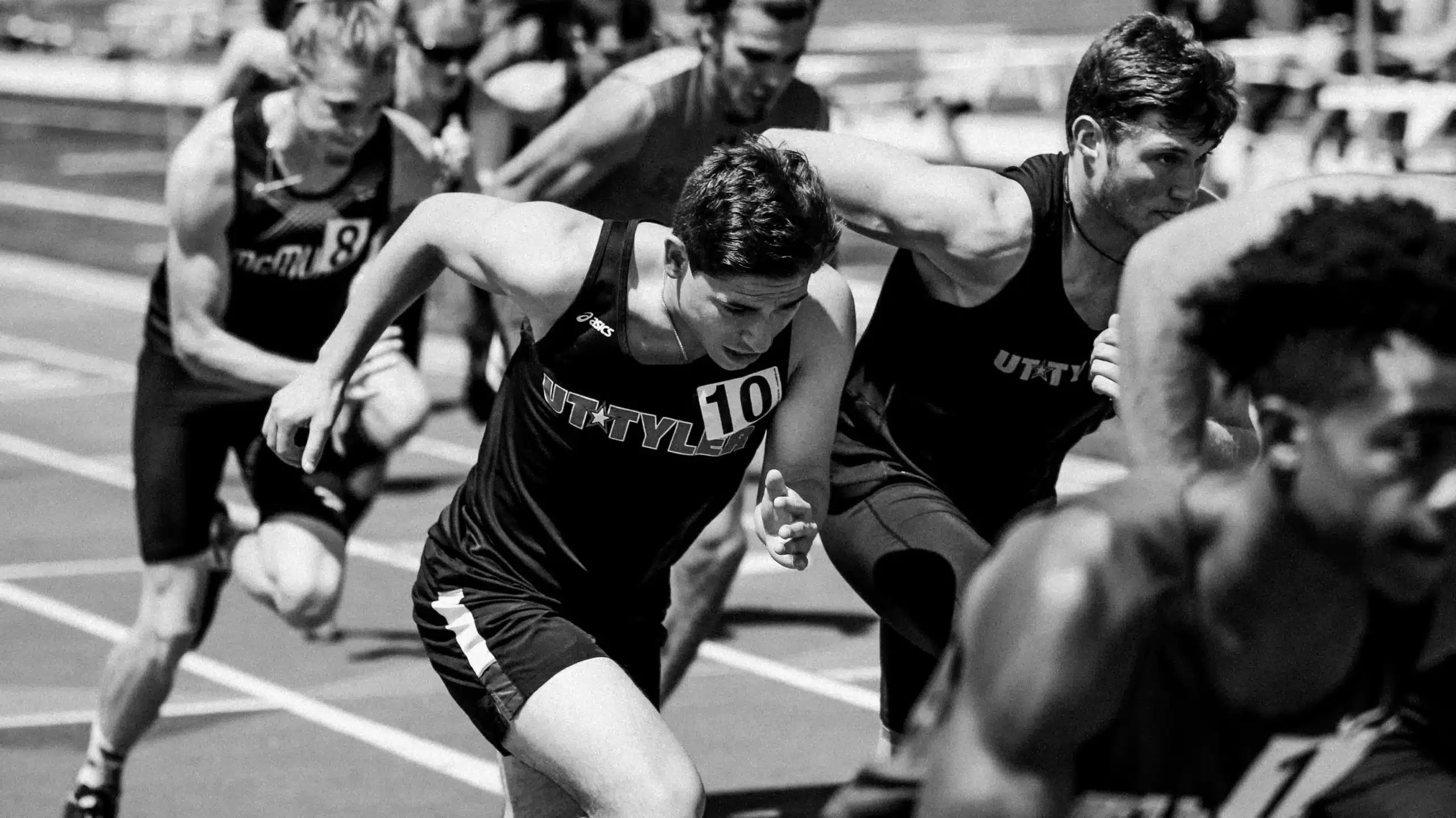
“You don't have to become like your role model, but you can use them to build your own path.” That is where support takes on its full meaning. Because ultimately, it is not simply about asking a young player “Who
is your role model?” The real question goes deeper: what does this role model awaken in them, or represent for them? Sometimes a player admires an athlete because they are strong, because they score goals, because they have succeeded. But behind that
admiration there is often something much more personal. There may be the need to believe it is possible. The need to recognise yourself somewhere. The need to see someone who looks like you stand tall, succeed, get through criticism, stay proud, stay dignified and stay themselves despite the pressure.
As practitioners, our mission is to help the athlete make sense of this inspiration. What does this role model represent for them? Courage? Discipline? Freedom? A form of revenge? Pride in their identity? Because ultimately, a role model is sometimes a part of yourself that you are finally starting to believe is possible, but it is then up to the athlete to turn that inspiration into personal proof. Observing a role model is therefore powerful, but it becomes truly useful when it pushes the young person to act, try, repeat and create their own successes.
To go further on building confidence and the young athlete's environment, you can also read Injuries and parents: two realities that can become your greatest strength… or your worst nightmare.
Bibliography
Au Mental. (2026). Podcast title with Loïc Kisuesue: Loïc Kisuesue, an international scout, talks to us about the reality of African players in Europe. YouTube.
Bandura, A. (1977). Self-efficacy: Toward a unifying theory of behavioral change. Psychological Review, 84(2), 191–215. https://doi.org/10.1037/0033-295X.84.2.191
Lee, S., Kwon, S., & Ahn, J. (2021). The effect of modeling on self-efficacy and flow state of adolescent athletes through role models. Frontiers in Psychology, 12, Article 661557. https://doi.org/10.3389/fpsyg.2021.661557
Read next