Reading time: 5 min
Injuries and parents: two realities that can become your greatest strength… or your worst nightmare. That sentence may sound harsh. But it says something very real about young athletes' journeys: a path can become fragile because the body can no longer keep up. And sometimes because the environment becomes too heavy to carry.
This article was written following our podcast with Loïc Kisuesue, in which he addresses, with great accuracy, essential topics for better understanding what allows an athlete to build themselves, to last and not to get lost in their sporting journey.
Injury affects identity
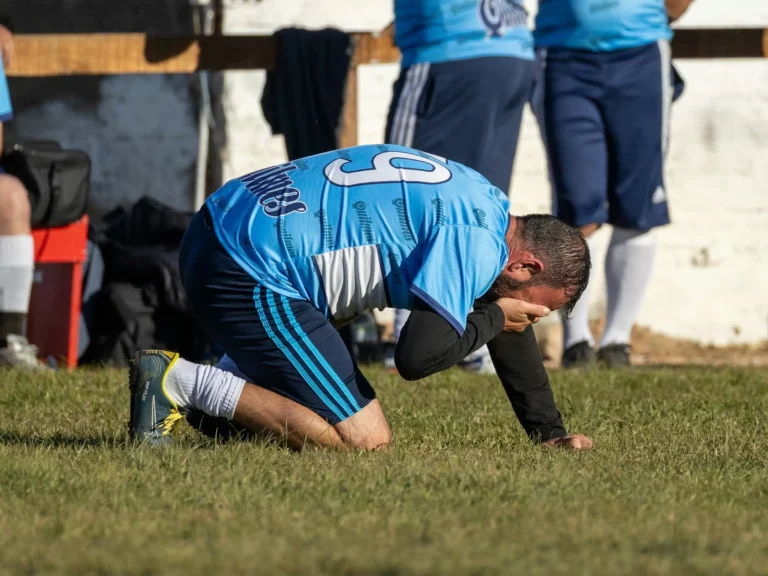
The first reality that can undermine a career is injury. And it is never only physical. For an athlete, it also affects identity. When a player is injured, they don't just lose playing time. They can lose their place in the squad, their rhythm, their confidence, their sense of existing in the coach's eyes. They may feel sidelined, forgotten, replaced. So they want to come back quickly. Sometimes too quickly. For some young people, especially those who define themselves almost entirely through their sport, injury attacks a deep question: “If I'm not playing any more, who am I?”.
Research shows that injuries play a major role in dropping out of sport. In a study of 544 high-level track and field athletes, around 20% had stopped their sport, and injuries were the leading cause of dropout: 46.2% of dropouts were linked to injury problems. More than a third of injured athletes still reported symptoms or after-effects following their first injury, and almost half had experienced recurrences (Edouard et al., 2024). This clearly shows one thing: a poorly managed injury can leave a mark on confidence, on motivation and on how athletes see themselves.
Fear disguised as courage
A player who comes back too early because “they feel ready” needs to be careful, because sometimes they are coming back mainly out of fear. Fear of losing their place. Fear of disappointing. At that point it is important, as coaches and parents, to remind them that rest is part of performance. Getting treatment, recovering, sleeping, respecting the stages, doing rehab and accepting active rest is building what comes next. It allows the body to come back stronger, and the mind to regain a sense of security. In the meantime, they can work on their mobility, breathing, visualisation, sleep, nutrition, concentration, video analysis or understanding of the game. It is also an opportunity for the injured athlete to develop patience.
The second reality: parents
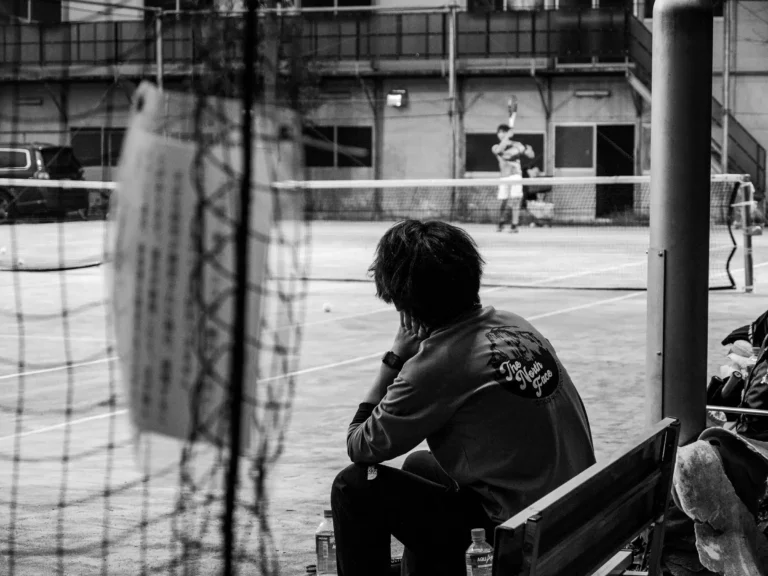
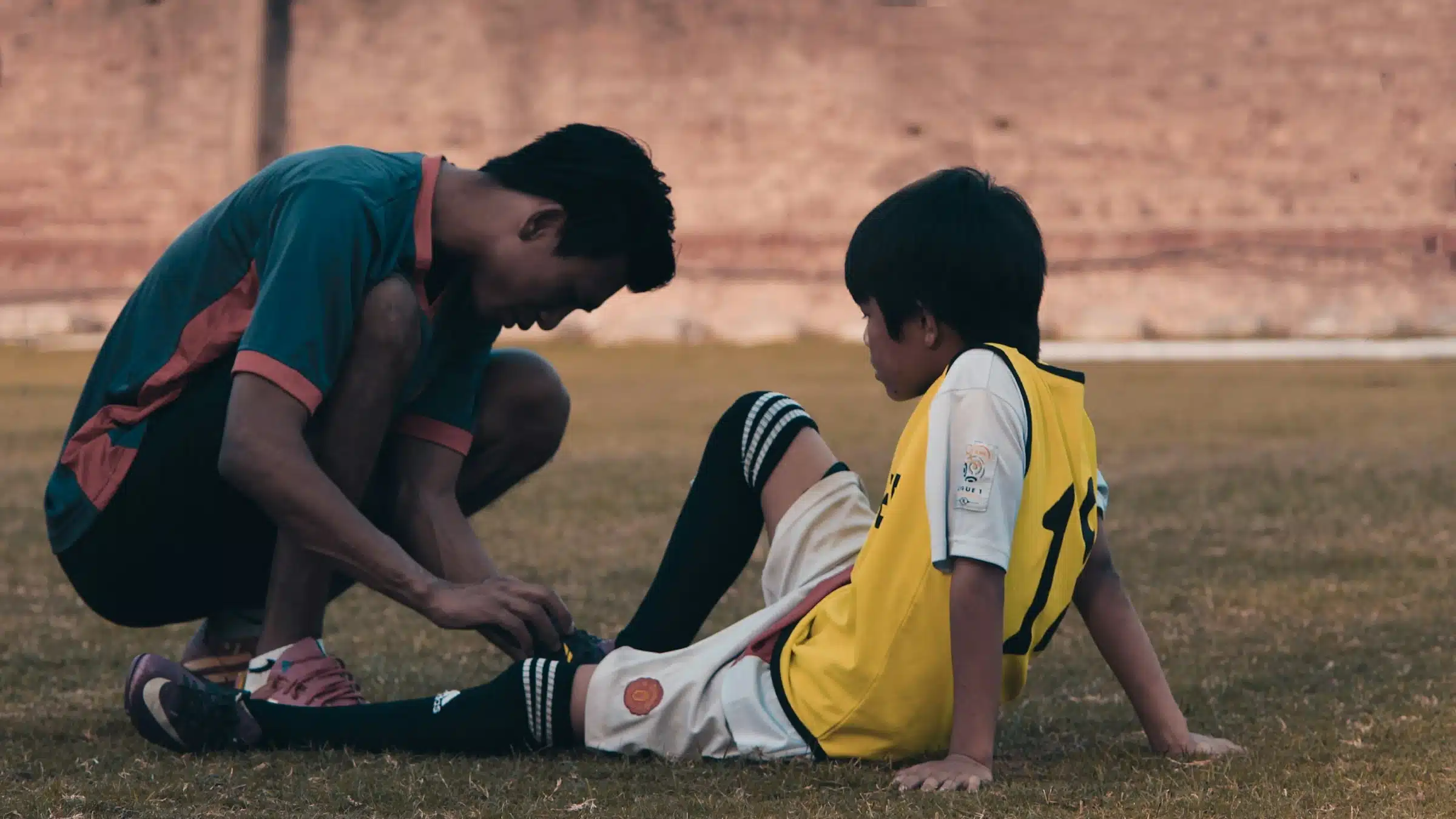
Here too, we need a lot of nuance. Parents are often the young player's first supporters. They drive them to training, pay, encourage, comfort and sometimes believe in them before anyone else. Without parents, many sporting journeys would not even be possible. But support can sometimes turn into pressure. And when sport becomes the place where the child has to make up for the adult's dreams, sacrifices or frustrations, something shifts. The child is no longer playing just for themselves. They are playing to justify the money invested. They are playing to ease the parent's worry. They are playing to be loved, recognised and validated. That is where support (for parents and athletes) is essential, because some young people give up when sport has become too psychologically loaded.
Recent data on youth sport also shows that parental behaviour weighs heavily on whether young people continue or drop out. In a national survey by the Aspen Institute, young people who had quit sport reported more parental pressure than those who continued: 21% of former participants said they had been pushed to play when they did not want to, compared with 9% of current participants. They also reported more comparisons with other players: 18% versus 13%. Among girls who had quit, the figures were even more marked: 25% said they had been compared with other players, and 24% that they had been pushed to play when they did not want to (Aspen Institute Project Play, 2026).
These figures are there to help understand, not to make anyone feel guilty.
Because a parent can do a lot of harm while meaning well. They may repeat “I just want them to give their best”, while the child hears “I'm not allowed to fail”. They may say “I believe in you”, while the child feels “I have to succeed so I don't disappoint you”. They may think they are supporting, when they are passing on an expectation. So the problem is not parental ambition. The problem is when ambition takes up more space than the child themselves and what they perceive and feel. A young player needs a framework. They need high standards, discipline and limits. But they also need to feel that their worth does not depend on their last match. That they can doubt without being judged weak. That they can grow at their own pace without carrying everyone's dreams on their shoulders.
Injuries and parents can therefore “destroy” a career when they are not supported. But they can also become its greatest strengths. An injury can teach a player to listen to their body, develop patience and strengthen their identity beyond performance. A parent can become a huge source of stability.
At AU MENTAL, we believe a career needs protecting as much as building: by respecting the player's body, supporting them through injuries and guiding parents to be a support in their child's career. To go further, discover our conversation with Loïc Kisuesue in the latest AU MENTAL podcast, where he talks about these realities that can shape a young player's path.
Bibliography
Aspen Institute Project Play. (2026). Aspen Institute national survey of youth and sports: 15 key findings. The Aspen Institute.
Crane, J., & Temple, V. (2015). A systematic review of dropout from organized sport among children and youth. European Physical Education Review.
Edouard, P., Navarro, L., Branco, P., Gremeaux, V., Timpka, T., & Junge, A. (2024). Understanding the first injury in athletics and its effect on dropout from sport.
Read next