Reading time: 7 min
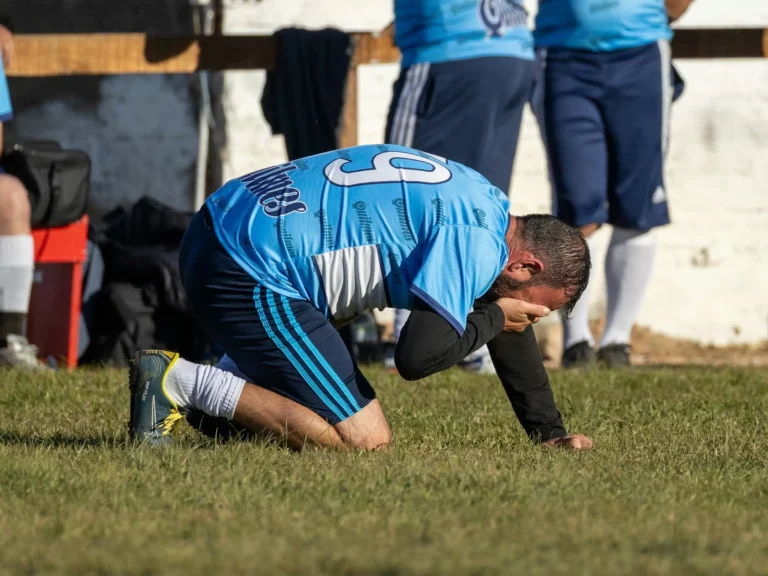
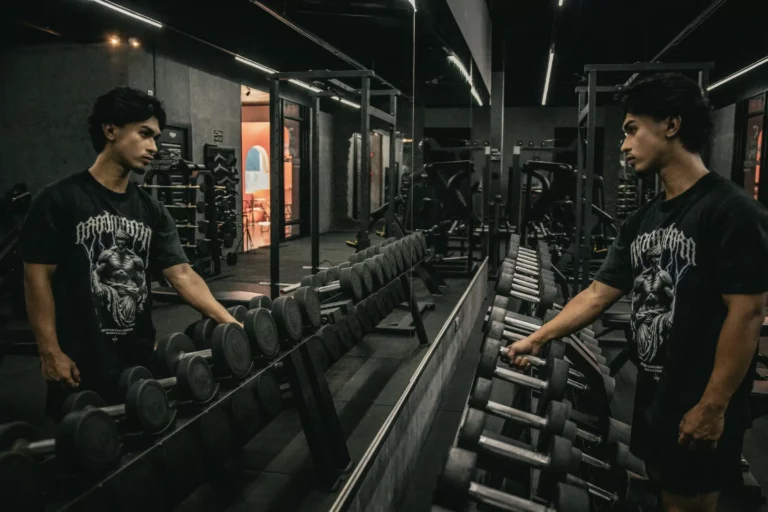
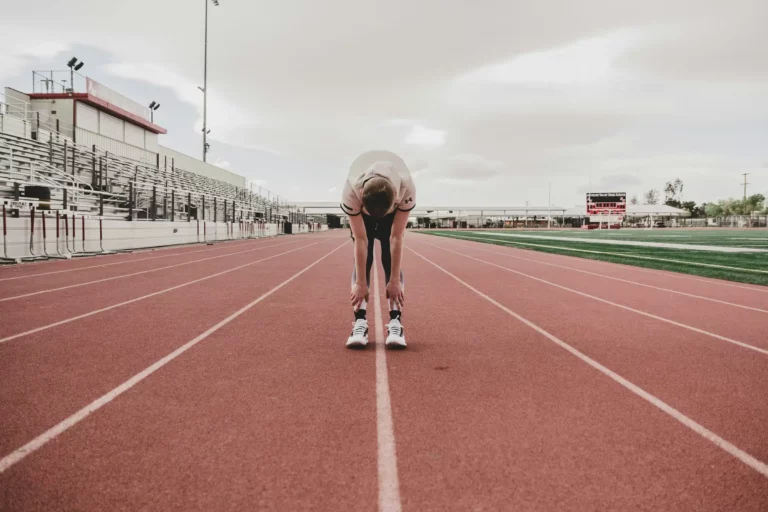
In high-level sport, we celebrate strength, control and resilience. But behind this image, a much more complex reality persists: athletes who learn to keep their vulnerabilities quiet to protect their place, their contracts and their reputation. Many seem perfectly fine… while inside, tension, doubt and exhaustion are building up.
The paradox of elite athletes
In the world of high-level sport, any mental or psychological weakness is seen as fatal and is therefore taboo. Only mental and psychological strength reigns alongside physical performance. The athlete is seen as a model of control, endurance and perseverance in competition. In this culture, showing signs of vulnerability such as mental fatigue, doubt or anxiety can be interpreted as a “lack” in the athlete. That lack would be seen as a threat jeopardising the coaches' confidence or the athlete's public image, and therefore affecting selection and contract opportunities.
For many athletes, and particularly the youngest, this pressure leads them to conceal, consciously or unconsciously, anything that could be seen as a sign of weakness. This creates an outward illusion where everything seems to be “going wonderfully”: regular training, excellent performances, smiles, discipline, while in reality, the inside may be fragile.
Mental health problems in athletes
Scientific data shows that athletes are exposed to risks of mental health disorders comparable to those of the general population. Research shows that between 5% and 35% of elite athletes have a mental health disorder, and the figures are even higher among student-athletes. Among the most common problems:
- Depression : rates similar to the general population, but fewer requests for help.
- Anxiety : around 50% of college athletes have experienced intense anxiety in the past year.
- Overtraining syndrome : the pressure to perform can lead to physical and psychological burnout.
- Eating disorders : especially in sports where low body weight is an advantage.
- Trauma-related stress disorders : injuries and concussions can cause symptoms similar to PTSD.
- Sleep disorders : training, competitions and stress disrupt the circadian rhythm, which can worsen mental health problems.
Despite this, many athletes don't express their suffering and don't ask for help, for fear of being seen as unable to continue and therefore jeopardising their career. It is therefore up to those around them not to settle for a simple “I'm fine” from athletes (Cleveland Clinic, 2024).
Communicating appearances: what we show ≠ what we experience
The gap between what an athlete shows and what they feel can be explained by sporting culture but also by individual mechanisms. Many “play the part” of being high-performing, reassuring or consistent so as not to worry their family, coaches and teammates. They develop psychological survival strategies such as “hanging on”, “not talking about it”, “fighting in silence”. This can work for a while, but in the long run cumulative stress (physical + mental) can upset the balance. Sometimes an injury, a failure or a period of transition breaks the facade: exhaustion, anxiety, loss of meaning and inner emptiness are then revealed.
An athlete can therefore have a high level of subjective well-being (motivation, energy, satisfaction) while showing symptoms of anxiety, rumination or exhaustion.
The elite environment
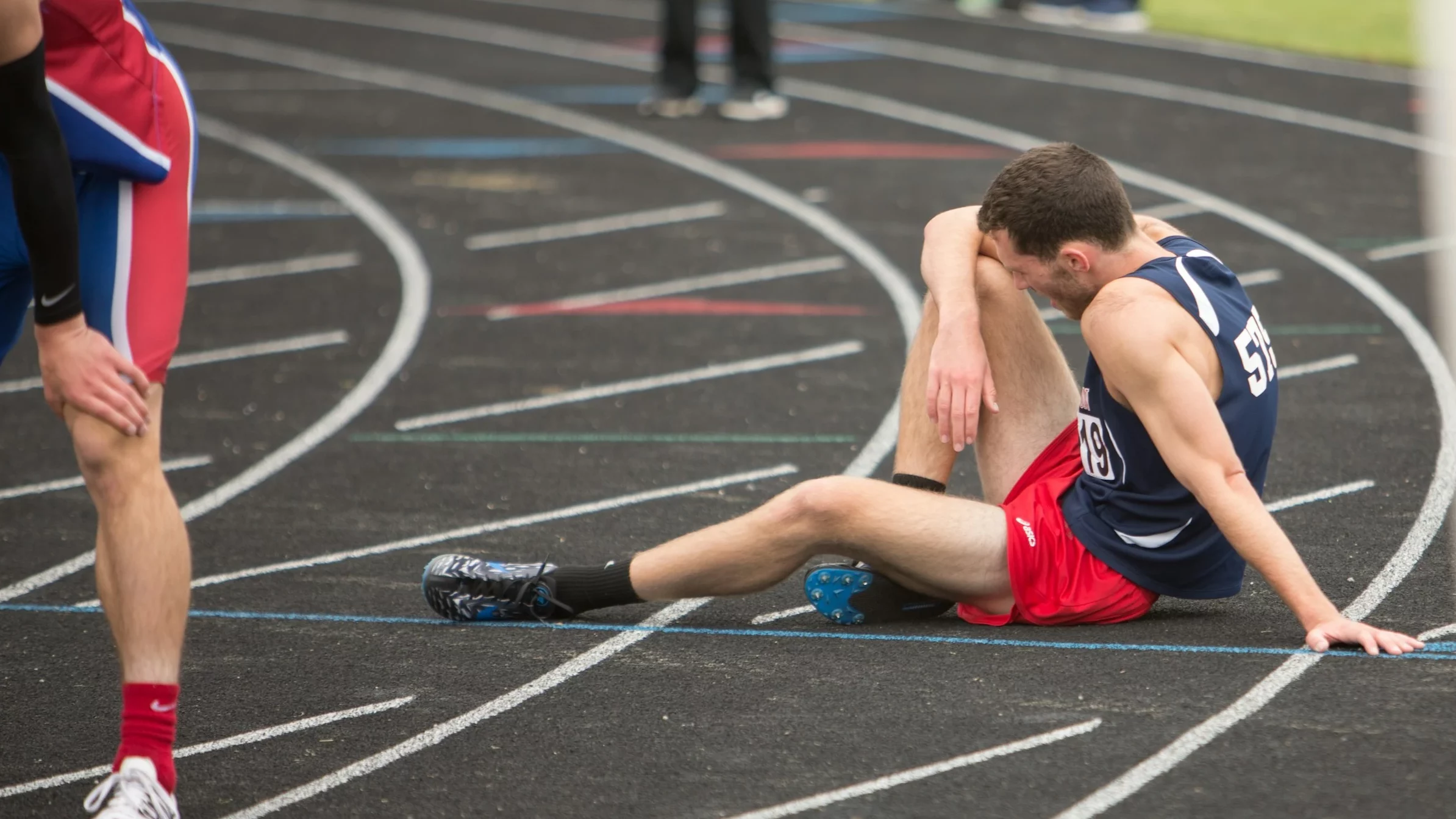
In athletes, psychological well-being and suffering are not opposites; they can coexist. The “two continua model” (Keyes, 2002) shows that well-being and psychological symptoms evolve on two independent axes. So a young athlete can be high-performing, committed and claim everything is fine, while feeling vulnerable inside, a paradox confirmed in high-level sport (Henriksen & Schinke, 2021). The elite environment reinforces this ambiguity: athletes often learn to hide their vulnerabilities for fear of losing their place, being judged or disappointing (Reardon et al., 2019).
Take the example of Simone Biles, a global icon who was long seen as invincible. Yet at the Tokyo Olympics, she publicly revealed deep mental distress after years of hiding her vulnerabilities in order to keep performing. Her case perfectly illustrates the pressure of “you have to be strong no matter what”. Or Naomi Osaka, in early 2021, who withdrew from Roland Garros to protect her mental health. She explained that she had masked anxiety, media pressure and psychological fatigue for months, for fear of being judged or sanctioned. A clear demonstration of this paradox.
Today we are seeing an increase in invisible symptoms among young people, such as withdrawal, hypervigilance, perfectionism, control strategies, performance anxiety and pressure linked to social media (Hill et al., 2020). Outwardly they seem fine… until the moment they are not. Hence the need to aim not only for the absence of symptoms, but for stable, supported and lasting mental functioning (Henriksen, 2015).
Optimising well-being rather than just avoiding distress
The challenge here is no longer just preventing disorders, but optimising mental functioning: clarity, recovery, regulated emotions, general adaptability and adapting to post-career transition. As Moore & Bonagura (2022) point out, lasting performance rests on solid psychological resources, not on the absence of symptoms.
Stress can simultaneously push the athlete upwards and wear them out. Excitement and pressure are fuels for performance, but become toxic when they exceed internal resources (McEwen, 2004). In young talents, this paradox is even more marked. They have strong motivation but emotional regulation systems that are still fragile (Compas et al., 2017).
Research shows that perceived support is one of the best protectors against distress and one of the best boosters of performance (Rees & Freeman, 2009). That is where psychological support becomes essential: creating a space where you can say “I'm fine, but not completely”, work on vulnerabilities without shame and turn emotional experience into a resource rather than a burden.
AU MENTAL: support that optimises, prevents and protects
At AU MENTAL, our approach aims to optimise well-being, strengthen mental stability, and develop emotional clarity and psychological flexibility: skills that protect as much as they support performance. We deconstruct the culture of silence, of being mentally “tough” and of struggling alone. Here, athletes have a space to understand what they feel, regulate what overflows and turn their mental experience into a lasting resource. The goal is not only repair, but also prevention and building solid psychological ground to perform with enjoyment, consistency and longevity.
If you want to know more about the paradox of self-confidence in sport and discover how athletes learn to find the balance between confidence, doubt and performance, I recommend reading this full article. And also listening to our podcast with a former athlete who opens up about the harsh reality of professional football.
References references
- Cleveland Clinic. (2024, July 22). Mental health in athletes: Breaking the stigma. Health Essentials. https://health.clevelandclinic.org/mental-health-in-athletes
- Compas, B. E., et al. (2017). Adolescent stress and coping: Developmental perspectives. Youth & Society, 52(4), 567–585. https://doi.org/10.1177/0044118X19898888
- Henriksen, K. (2015). Successful talent development in sport: The elite youth sport environment. Sport, Exercise, and Performance Psychology, 4(3), 125–138. https://doi.org/10.1037/spy0000037
- Henriksen, K., & Schinke, R. (2021). Psychological aspects of elite sport culture and athlete well-being. International Journal of Sport Psychology, 52(1), 3–20.
- Hill, A., et al. (2020). Emerging mental health issues among youth athletes: Risk and protective factors. Youth & Society, 52(4), 567–585. https://doi.org/10.1177/0044118X19898888
- Keyes, C. L. M. (2002). The mental health continuum: From languishing to flourishing in life. Journal of Health and Social Behavior, 43(2), 207–222. https://doi.org/10.2307/3090197
- McEwen, B. S. (2004). Protective and damaging effects of stress mediators: Central role of the brain. Dialogues in Clinical Neuroscience, 6(4), 367–381. https://doi.org/10.31887/DCNS.2004.6.4/bmcewen
- Moore, Z., & Bonagura, J. (2022). Optimizing mental health and performance in athletes: Psychological resources for sustainable success. Journal of Sport Psychology in Action, 13(2), 101–115. https://doi.org/10.1080/21520704.2022.2041520
- Reardon, C. L., Hainline, B., Aron, C. M., et al. (2019). Mental health in elite athletes: International Olympic Committee consensus statement. British Journal of Sports Medicine, 53(11), 667–699. https://doi.org/10.1136/bjsports-2019-100715
- Rees, T., & Freeman, P. (2009). The effects of perceived and received support on elite athletes’ performance. Journal of Sports Sciences, 27(1), 105–115. https://doi.org/10.1080/02640410802416809
Read next