Reading time: 8 min
In high-level sport, it often seems intuitive that more training means more performance. Yet sport shows a paradoxical reality: recovery, breaks and managing rest are essential parts of progress, not obstacles. This article explains why stopping is an integral part of performance, what happens when you don't rest, and how to approach periods of withdrawal strategically to come back stronger and perform better.
Why rest is part of performance
Training does not directly create performance. It is the cycles of training and recovery that allow the body to adapt. Training causes fatigue and muscle micro-damage in the athlete. It is during the recovery phase that the body repairs, strengthens and improves its capacities. This process is described by the concept of supercompensation, according to which an appropriate rest period after a training stimulus allows the body to reach a higher level of performance than before the effort (Meeusen et al., 2013). Consequently, the balance is broken if the body cannot recover sufficiently, which happens when the rest phase is missing or poorly managed. Without this phase, positive adaptations stall or reverse, and the athlete enters states of chronic fatigue or burnout.
The term “recovery”
In this context, recovery refers to the rest phase in the broad sense, covering both waking rest (active or passive rest, low activity) and sleep.
- Recovery (general term): This is the overall process of returning to a state of balance after exertion.
- Sleep (rest while asleep): It is crucial for tissue repair, hormonal regulation and nervous system recovery. It is the most effective form of recovery.
- Waking rest: This includes reducing physical and mental activity (sitting or lying down, light stretching, etc.) and allows heart rate to fall, metabolic waste to be cleared and repair processes to begin.
In the context of supercompensation, both forms of rest are necessary for the body to fully repair and strengthen its capacities. The phrase therefore refers to an appropriate rest period, which generally includes sufficient sleep and undemanding rest periods between training sessions.
Invisible fatigue
A lack of rest has multiple consequences, well documented in both sport science and clinical practice:
1. Reduced physical performance
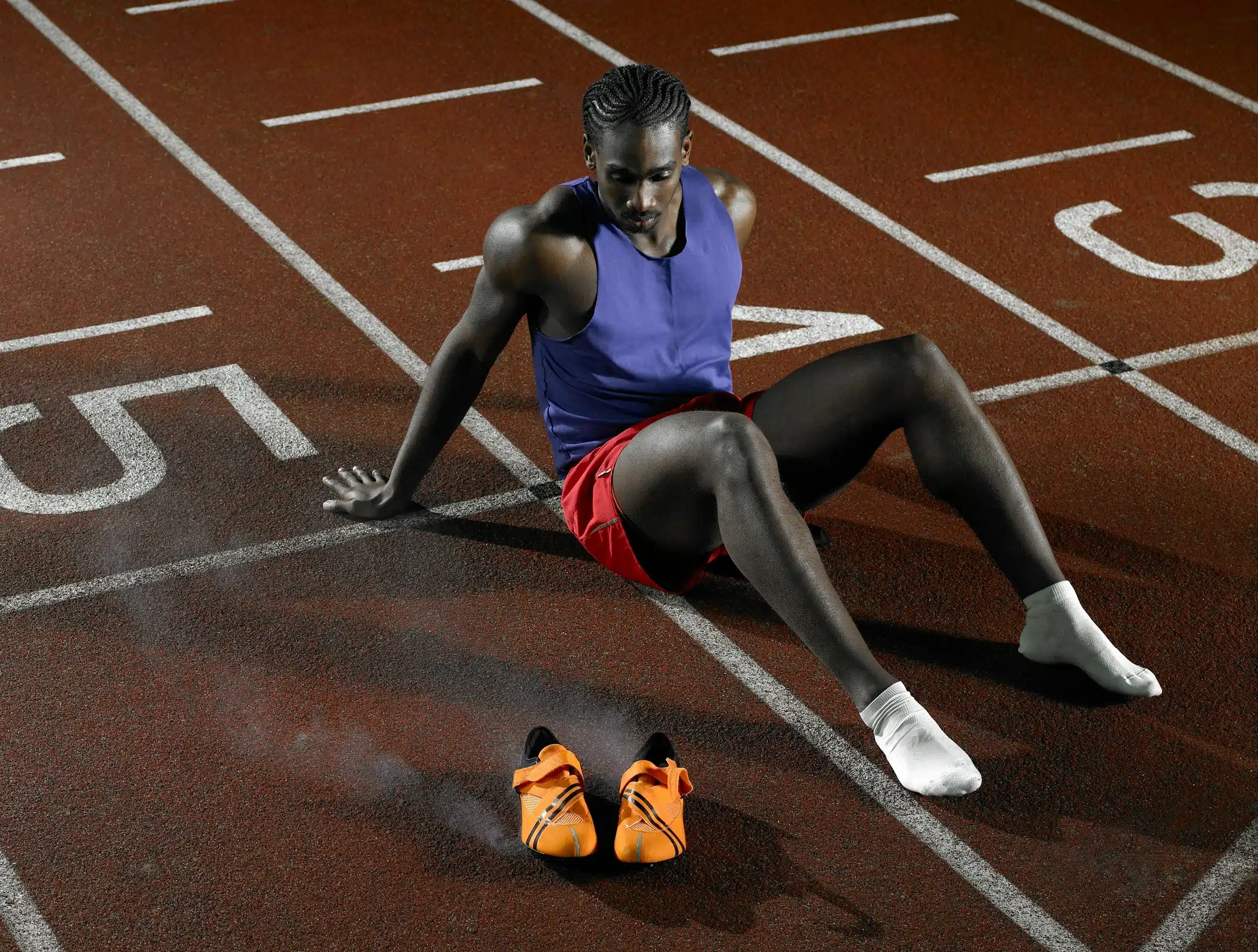
Without sufficient recovery, muscular capacity, strength, endurance and speed decrease. Accumulating efforts without rest also increases the risk of injury, because the body no longer has the energy or physiological capacity to withstand repeated loads.
2. Mental and emotional fatigue
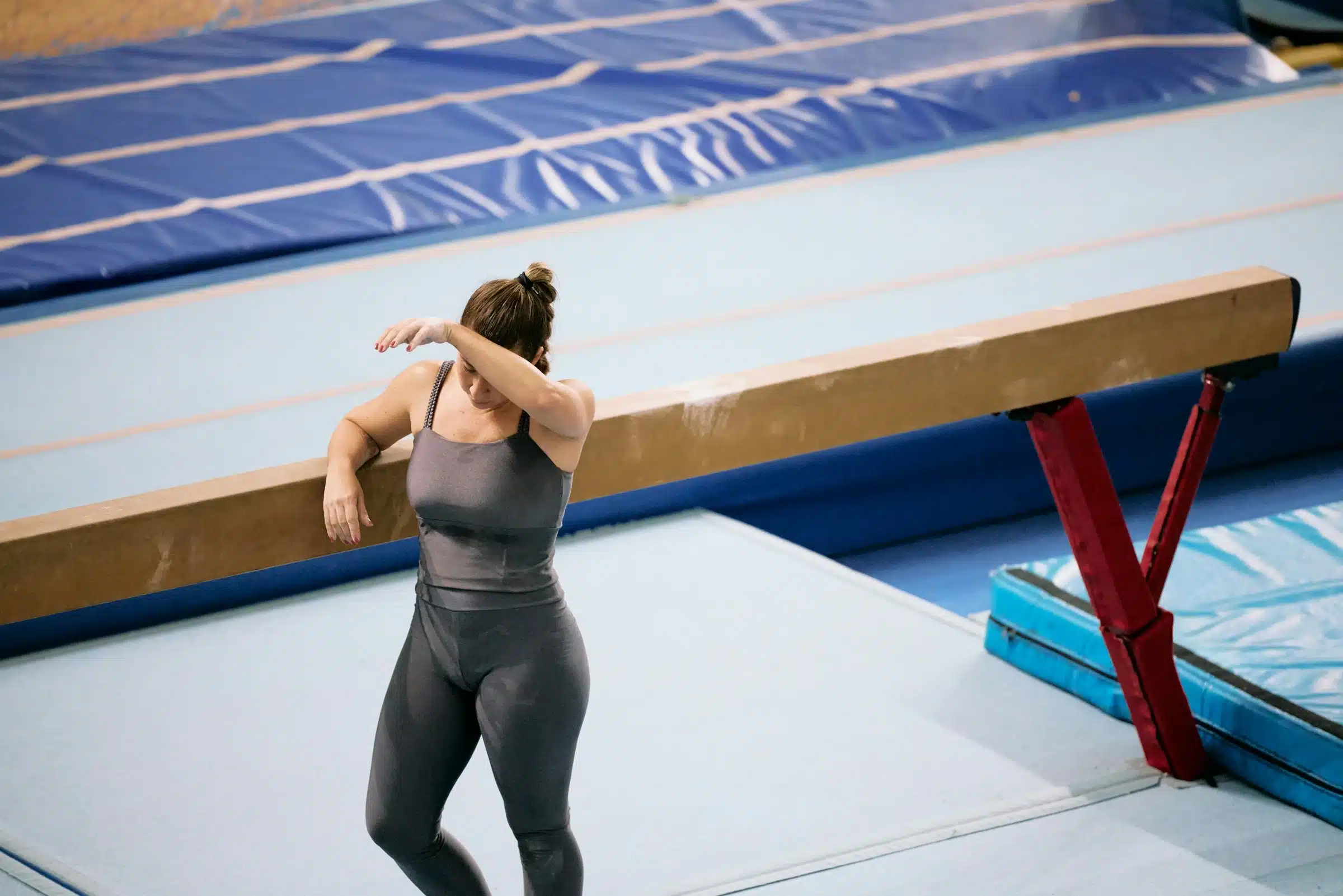
Overload leads to mental fatigue that affects concentration, decision-making and emotional control. This can even lead to burnout, characterised by exhaustion, declining motivation and an inability to fully engage in training (Smith, 2003).
3. Burnout and overtraining
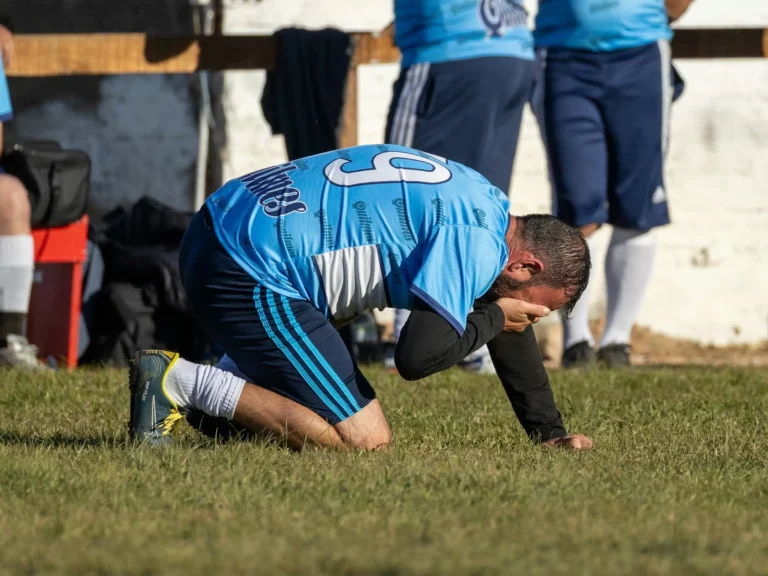
When the body is subjected to too much effort without adequate recovery, it can reach a threshold where adaptation breaks down. This phenomenon, called “overtraining syndrome”, shows up as a drop in performance, persistent fatigue, and hormonal and immune disturbances. In some cases, it takes weeks or months of recovery to return to normal (Meeusen et al., 2013).
In high-performing men, a chronic drop in testosterone linked to training that is too intense and poorly recovered from has a major, often underestimated mental impact. It directly impairs cognitive functions (attention, concentration, decision-making), weakens emotional stability and reduces intrinsic motivation. Effort is perceived as more mentally costly, tolerance of discomfort and pain decreases, and the athlete may develop a defensive relationship with training (avoidance, irritability, loss of drive). This hormonal change also alters the sense of personal power and control, key elements of confidence and functional aggression in performance. Over time, the athlete may remain physically present but mentally blunted, finding it hard to mobilise their resources, persevere and fully commit to the effort (Meeusen, R., et al., 2013).
In women, it is mainly changes in the menstrual cycle and energy availability that signal overload. Even small imbalances can disrupt female hormones and reduce the ability to adapt to training.
The science behind rest: what studies say
Several scientific models explain why rest is essential:
- The supercompensation model is a fundamental training principle that explains how body and mind progress after stress, provided recovery is sufficient (Bishop, 2008). The model states that rest (or recovery) is essential because it is the period during which the body not only repairs the damage caused by training stress, but also adapts to become stronger than before (this is supercompensation itself).
- The RESTQ-Sport questionnaire (Kellmann & Kallus, 2001) assesses the balance between stress and recovery in athletes, highlighting how insufficient recovery is associated with an increased risk of injury.
- Research on sleep and performance shows that sleep quality directly influences recovery capacity and performance the next day (Fullagar et al., 2015).
- Mental fatigue also affects physical performance and perceived effort, reducing endurance and decision-making in endurance sports (Schiphof-Godart & Roelands, 2011)
“Sleep is half of my training.” Jarrod Shoemaker, professional triathlete
Recovery isn't just “doing nothing”
Active, planned and strategic recovery is different from passive rest. It involves alternating more intense training days with structured recovery days, which is crucial. This variation allows the body to recover from accumulated fatigue while keeping the benefits of the adaptations achieved. It also favours a gradual return to training after a break rather than going straight back to heavy loads. The longer the break, the more important it is to start with moderate intensity and volume. This approach minimises muscle soreness, optimises physical adaptation and builds new training momentum. Finally, it monitors the body's internal signals (fatigue, energy, pain, sleep) to adjust loads and avoid unnecessary overload.
When rest becomes strategic
For an athlete, planning breaks is part of the strategy. A recovery or “deload” week can be scheduled when intensity or volume exceeds the usual capacity to recover. During illness or serious symptoms (fever, major fatigue), it is scientifically recommended to reduce or suspend training so the body can heal, rather than pushing through and risking complications or setbacks. Well-dosed rest does not “slow down” progress: it prevents stagnation, injuries and overwork, and allows you to come back with more neuromuscular, mental and emotional energy.

Stepping back to come back better
Lasting performance is built on alternating training and recovery. Resting is not a sign of laziness or going backwards; it is a scientific and strategic component of training. Without recovery, positive adaptations run out, whereas with planned recovery an athlete can reach higher levels, reduce injuries and better manage their overall well-being. Rest is part of performance, and learning to use it wisely is an essential skill for any serious athlete.
At AU MENTAL, we support athletes in building lasting performance, helping them find the right balance between demands, recovery, sleep and overall well-being. Learning to listen to your signals, plan recovery and respect sleep is developing a genuine mental skill, just like managing emotions or self-confidence. It is also an essential condition for progressing without burning out, preventing injuries and preserving the enjoyment of performing. With that in mind, we invite you to read our article on the dual career, which looks practically at how to balance sport, studies, personal life and recovery to avoid overwork and build a healthy, lasting sporting path.
This fourth article concludes our series on the paradoxes of performance (emotions, self-confidence, when “everything is fine”, rest). With the end-of-year holidays approaching, it's the perfect time to ease off, take care of yourself and your loved ones, and fully recharge your batteries. We'll see you next year for new articles on even more inspiring topics to support your performance and your balance.
And if you would like to go further, you can join AU MENTAL Academy and discover our courses dedicated to the mental development of athletes and of all those who aspire to become champions.
🎄✨ HAPPY HOLIDAYS! ✨🎄

References
- Bishop, D. (2008). An applied research model for the sport sciences. Sports Medicine, 38(3), 253–263. https://doi.org/10.2165/00007256-200838030-00005
- Fullagar, H. H. K., Skorski, S., et al (2015). Sleep and athletic performance: The effects of sleep loss on exercise performance, and physiological and cognitive responses to exercise. Sports Medicine, 45(2), 161–186. https://doi.org/10.1007/s40279-014-0260-0
- Kellmann, M., & Kallus, K. W. (2001). Recovery-Stress Questionnaire for Athletes: User manual. Champaign, IL: Human Kinetics.
- Meeusen, R., et al. (2013). Prevention, diagnosis, and treatment of the overtraining syndrome: Joint consensus statement of the European College of Sport Science and the American College of Sports Medicine. Medicine & Science in Sports & Exercise, 45(1), 186–205. https://doi.org/10.1249/MSS.0b013e318279a10a
- Schiphof-Godart, L., & Roelands, B. (2011). Mental fatigue impairs endurance performance. European Journal of Sport Science, 11(6), 1–10. https://doi.org/10.1080/17461391.2010.545837Smith, R. E. (2003). The cognitive-affective model of athletic burnout. Journal of Sport & Exercise Psychology, 25(1), 1–20. https://doi.org/10.1123/jsep.25.1.1
Read next