
Reading time: 4 min
Nutrition plays an essential role, not only in physical performance but also in athletes' mental health. As explained by Dr Guillaume Fond, a psychiatrist specialising in nutritional psychiatry, and Émilie Steinbach, a neuroscientist specialising in integrative biology, a balanced diet directly influences our brain, our emotional state and our cognitive abilities. This scientific finding goes beyond the idea of food as a simple source of energy: it is a major lever for lasting performance.
How does diet improve our mental health?
Before even talking about performance, we need to look at how we function day to day: tiredness on waking, lack of motivation, possible brain fog, difficulty sleeping or concentrating, irritability, anxiety or a tendency to ruminate. These signs often indicate a lack of nutrients essential for the brain. Fortunately, improving your diet can change this.
The gut, our second brain
Our gut contains millions of neurons and hosts the gut microbiota, made up of bacteria that are essential to our balance. This microbiota constantly communicates with the brain via the vagus nerve, directly linking our gut to the brain areas involved in emotions. This is known as the gut-brain axis. A healthy gut supports the production of neurotransmitters such as serotonin, essential for our well-being, better emotional regulation and greater resistance to stress. Conversely, an unbalanced microbiota or a damaged intestinal barrier generates chronic inflammation, seriously disrupting mental balance (Fond et al., 2021).
Chronic inflammation: a danger to mental health
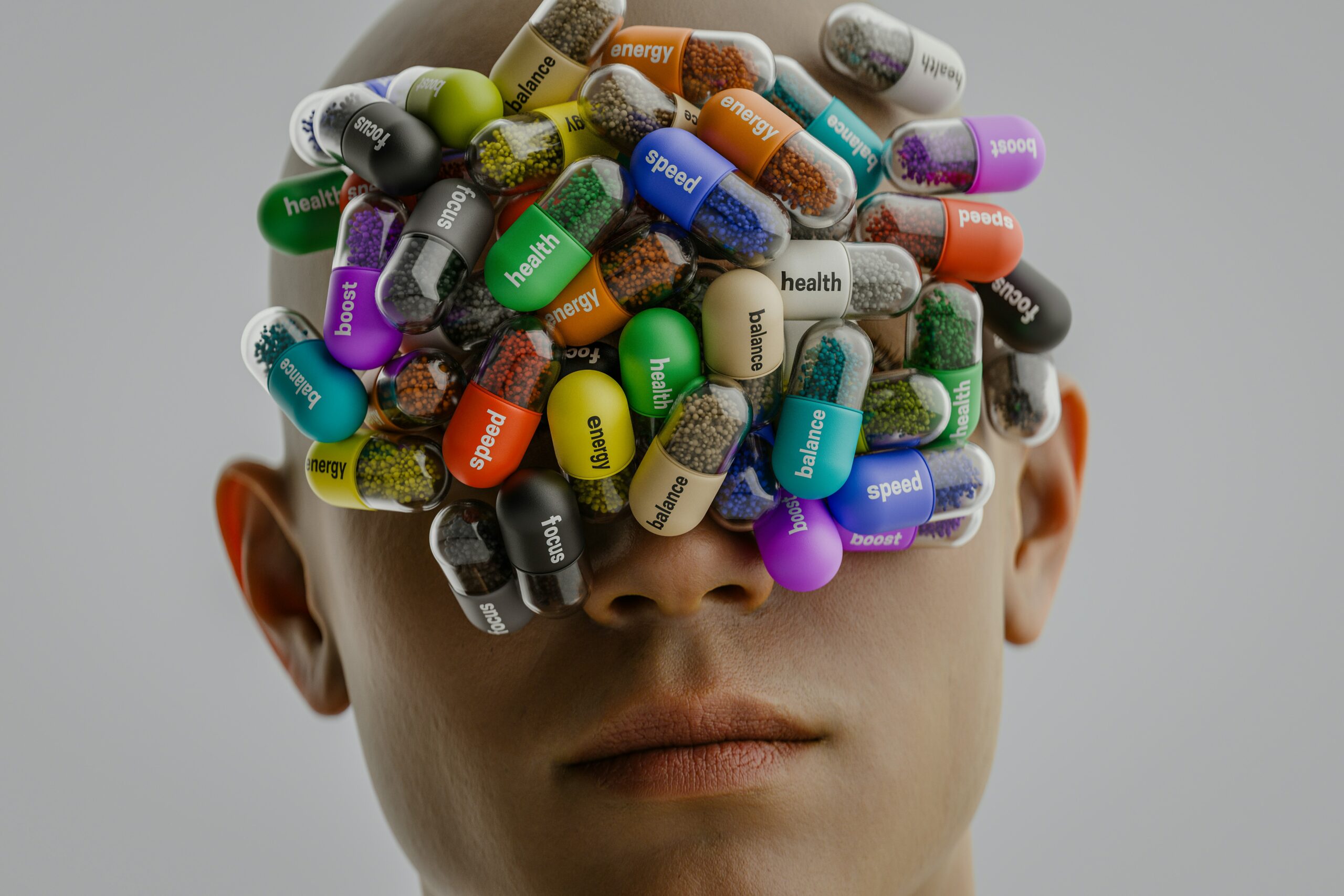
Chronic inflammation is silent but devastating. It is often caused by a diet high in refined sugars, saturated fats and ultra-processed foods. This diet disrupts the intestinal barrier, allowing inflammatory molecules to pass into the bloodstream, which directly affects mental health. Many studies link an unbalanced microbiota to disorders such as chronic stress, anxiety, panic disorders, depression, sleep disorders, attention deficits (ADHD) and neurodegenerative diseases such as Alzheimer's or Parkinson's (Cryan et al., 2020). This chronic inflammation is also a problem for elite athletes, where it can impair recovery, disrupt sleep and generally weaken physical and cognitive performance.
Which nutrients should we prioritise to protect our minds?
To keep the brain healthy, it is essential to prioritise omega-3s found in oily fish, which are important against depressive symptoms, as well as zinc, magnesium, and B and D vitamins, which support nervous system and brain function. Methylfolate, the active form of vitamin B9, is needed to produce dopamine and serotonin. The Mediterranean diet, rich in fruit, vegetables, fish, nuts and olive oil, remains the most recommended for its anti-inflammatory effects and protection against mental health disorders (Jacka et al., 2017). Conversely, it is crucial to avoid ultra-processed foods, low in fibre and high in additives, because they encourage depression, anxiety, chronic fatigue and brain inflammation.
Read also : How to overcome adversity: Alexander Volkanovski's lesson at UFC 314
Direct and indirect impact on sporting performance
For athletes, a suitable diet directly influences performance by improving concentration, muscle recovery, management of oxidative stress, and emotional stability. Indirectly, it supports a healthy gut microbiota, positively influencing mood, stress, immunity and cognition. A balanced diet for athletes includes complex carbohydrates for steady energy, antioxidants to protect against cell damage, probiotics to strengthen the microbiota, lean proteins for muscle repair, and constant hydration, which is essential for cognitive function. Conversely, an unbalanced diet increases the risk of injury, chronic fatigue, loss of motivation and even anxiety disorders.
Limits and precautions
However, it is crucial to stress that diet does not replace psychological or medical treatment when these are necessary. It is an essential complement, reducing symptoms, improving the effectiveness of treatment and preventing disorders from developing. Mental health requires a holistic approach, taking into account genetics, lifestyle, personal history and environment. Through epigenetics (the interaction between genes and environment), diet plays a central role in this dynamic.

Towards a conscious, balanced diet
Changing your eating habits doesn't mean cutting everything out, but reintroducing fresh, whole foods and reducing ultra-processed products. Combined with good-quality sleep, regular hydration and appropriate physical activity, this holistic approach ensures solid mental balance and lasting performance.
Taking care of your diet means taking back control of your physical, mental and emotional health. A balanced, nutrient-rich, anti-inflammatory diet is therefore essential for a strong, resilient mind that performs over the long term. Adopting these principles is also a powerful preventive step in the face of the daily challenges and growing demands that athletes, especially elite athletes, have to face. This simple but decisive choice helps strengthen our ability to manage stress, optimise our physical and mental performance and promote lasting well-being, profoundly transforming our daily and sporting lives.
References
Cryan, J. F., et al. (2020). Nature Reviews Gastroenterology & Hepatology.
Fond, G., et al. (2021). World Journal of Psychiatry.
Jacka, F. N., et al. (2017). BMC Medicine.
Read next