Reading time: 6 min
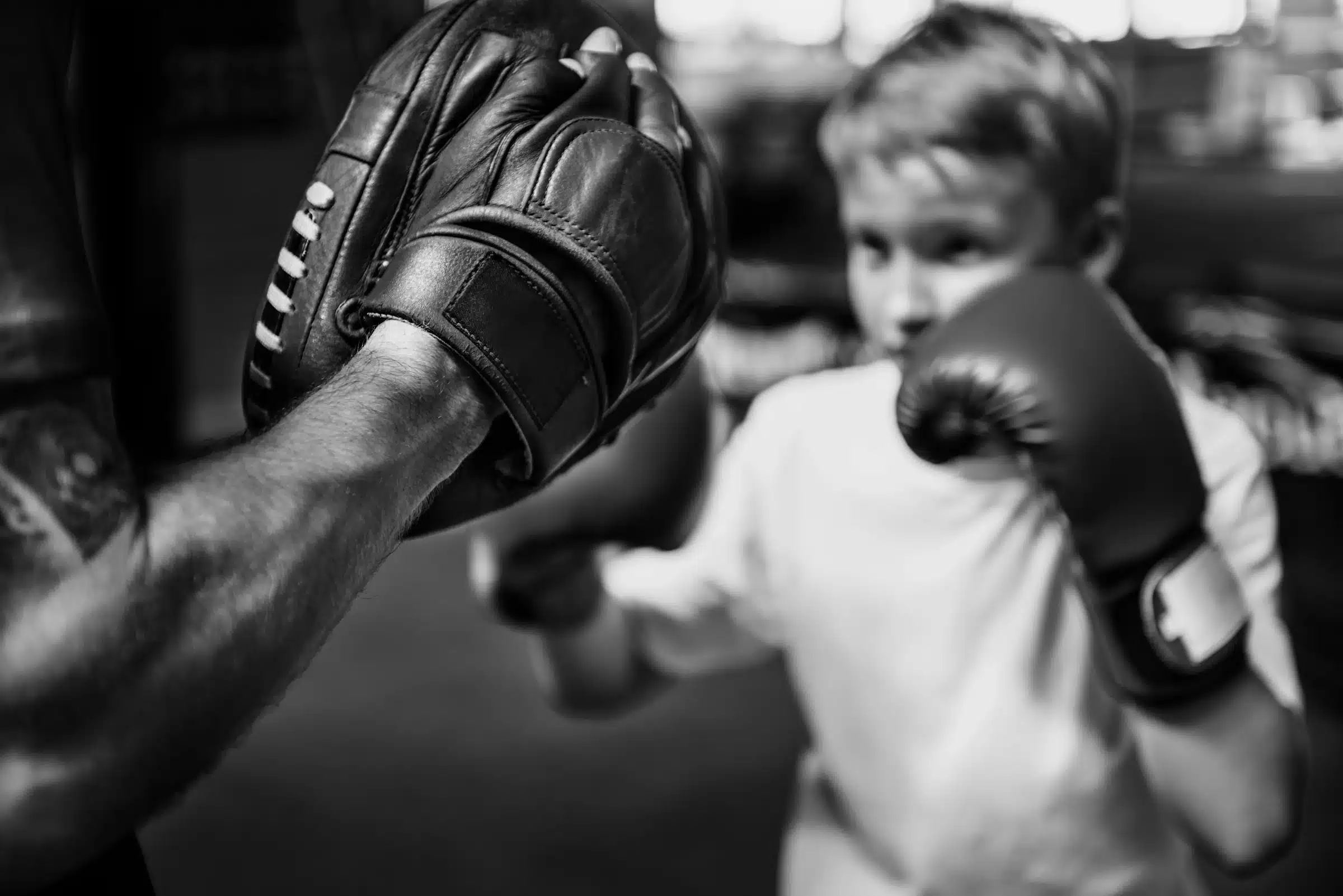
A sports parent can become a “coach in spite of themselves” without realising it. When support turns into pressure, the athlete's motivation and confidence can tip over. Discover the signs… and how to correct them.
Case analysis
A parent constantly gives instructions during competitions, shouts technical corrections, criticises tactical choices and goes to see the coach to tell them what to change.
After the match, the athlete gets into the car. They are still “in the match”: body tense, eyes averted. The parent, sincerely wanting to help, starts with a simple line: “So, how was it? What was that match about?” The athlete answers vaguely or not at all. The parent insists: “You lost again today…”. Silence. The car fills with invisible tension. The athlete shuts down even more.
The parent goes on: “Today you didn't touch the ball as much as usual. I don't understand why you don't ask for the ball more often. You had more chances to score than the others. You need to be more aggressive in your game and more confident.”
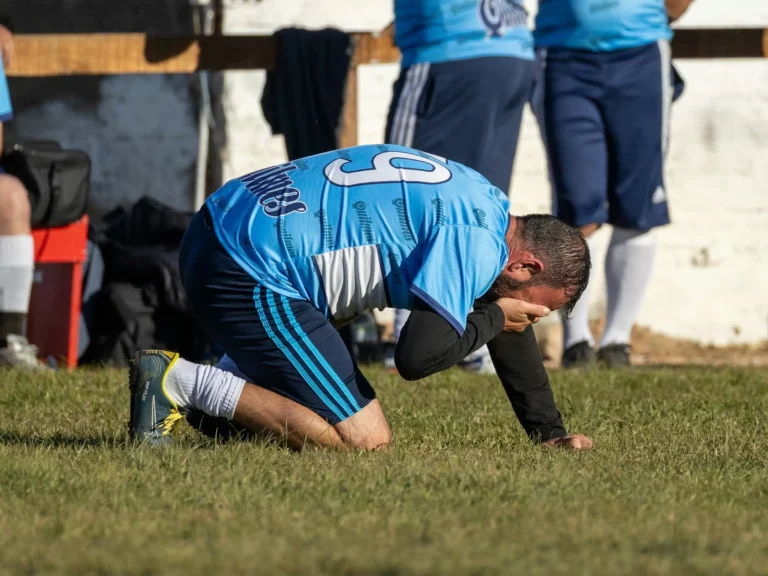
At home, the atmosphere is cold. The next day, nobody mentions the match again… but the athlete understands that their parent is disappointed in them. They feel misunderstood, find it unfair and, on top of that, feel incompetent. It affects their confidence and self-esteem. The following week, the young athlete was not motivated to play the next match.
What happened?
This scene sums up an example of the “parent who coaches in spite of themselves”: not a parent who wants control, but a parent who, without meaning to, creates a climate where the athlete feels evaluated rather than supported. The parent takes the coach's place and “steers” the match, which can make the child feel the project no longer belongs to them. The athlete may also associate mistakes with parental disappointment, and play to avoid criticism rather than to progress.
*This case is presented for illustration. It is a fictional situation, built from elements of several situations, and does not reflect any identifiable person or family.
A young athlete's well-being
What weighs most on a young athlete's motivation and well-being is not only what the parent thinks they are doing, but what the athlete perceives. When the athlete perceives autonomy support (listening, respect, room for choice, explanation), motivation is more autonomous and more lasting. As a result they will have more enjoyment and more perseverance (Deci & Ryan, 2000). Conversely, when they perceive control (pressure, criticism, comparisons, obsession with results), motivation becomes more “controlled”. They will tend to play to avoid disappointing, to be validated or out of fear of reproach (Deci & Ryan, 2000).
The trap: control isn't only expressed through words. It also comes through timing (in the heat of the moment), tone, looks, sighs and body tension. The athlete doesn't receive a speech: they receive a climate.
The 3 moments when the parent becomes a “coach”
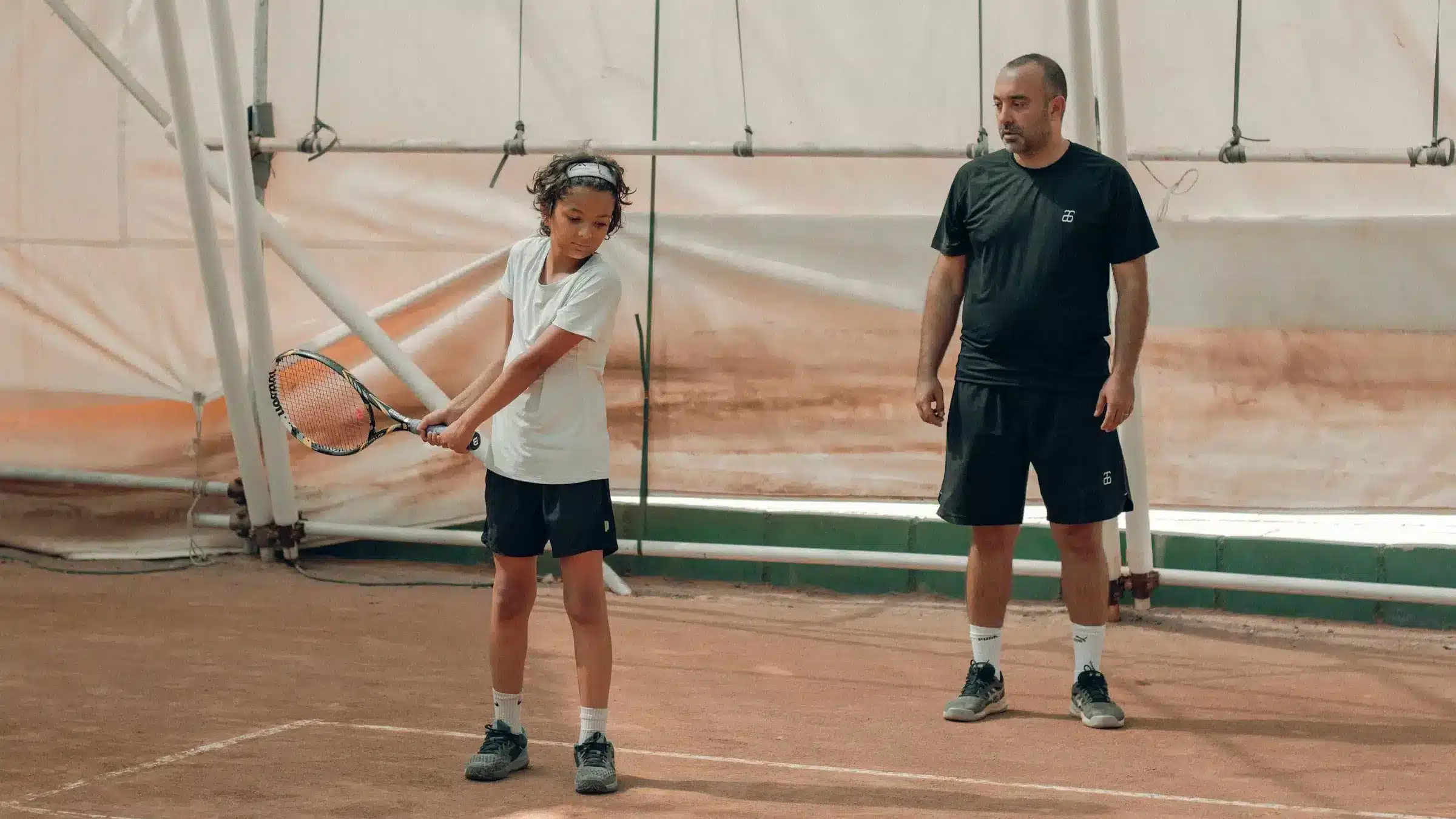
The shift from “supporting → coaching” often happens at three very specific moments:
- Before the competition
Too many instructions, too much at stake, too many “you have to”s. Even when well meant, it increases mental load. - During
Instructions from the stands, criticism of the coach or referee, intense reactions: the athlete has to manage their match and the emotion around it. - After (in the heat of the moment)
An immediate debrief focused on mistakes, a disguised interrogation. Yet in the heat of the moment, the brain isn't available to analyse; it is in emotional mode.
Self-check — a parent who coaches in spite of themselves?
A reflection tool (not a diagnosis). The aim is not to judge, but to identify a feeling and open up an action plan.
Read the statements below and count how many feel true, often:
☐ I debrief straight away even if my child is closed off.
☐ I give technical instructions before the match.
☐ During the match, I find it hard to stay neutral (I live the match very intensely)
☐ I sometimes criticise the referee, the coach or teammates/opponents out loud.
☐ My child shuts down, gets annoyed or moves away when I talk about the match.
☐ I feel like I am “carrying” their sporting project.
Quick read:
0–1 : a rather supportive climate → to consolidate with a few key reference points.
2–3 : grey zone → it often comes down to timing (before/during/after).
4+ : likely invisible pressure → it is useful to get support with a clear method.
If you recognise yourself in 2 or more statements, AU MENTAL Academy gives you tools, reference points and a practical method to adjust without feeling guilty.

The parental role: a factor in performance… and mental health
In youth sport, we look first at what is visible: talent, training, level, results. Yet these factors alone do not explain why some athletes progress over time and thrive, while others burn out, lose enjoyment or drop out. A sporting journey is built within an ecosystem: the child, their experiences, their club, their school… and their family, which remains a major lever for performance and mental health.
Even before mental preparation, parents make the sport possible: travel, costs, organisation, camps, managing the dual career. This support is huge, but it can also become a trap if the child feels they have to “make the sacrifices pay off” or feels indebted, which sets up silent pressure (Côté, 1999; Knight et al., 2017). In other words: sport doesn't only weigh on the pitch, it also weighs on family dynamics.
The parent, the first role model
Parents are also the first role models. Children learn less from speeches than from observation: how the adult handles effort, frustration, anger, victory, injustice, defeat, the coach, the referee. Through social learning, these behaviours become internal reference points and directly influence emotional regulation and attitude in competition (Bandura, 1977). The sideline is therefore a powerful educational space: it can build security, confidence and respect… or normalise tension, aggression and fear of mistakes.
In short, parents play a vital role in their child's career. They are part of the athlete's journey. And when this role is clarified and equipped, it becomes a competitive advantage: a climate that helps the athlete last, progress and stay strong.
This article sets out a general scientific framework. The course AU MENTAL Academy goes further: it provides a method, tools, role plays and practical scripts to spot the signs and correct them. It also helps clarify roles, adjust communication around matches, support motivation without pressure and build confidence that doesn't depend on results. The goal is simple: to make the parent a steady, supportive and structuring pillar so that the sporting project remains the athlete's own, with an environment and support that help them last. Our mission is to create the best conditions around our athletes so they can reach their full potential.
Registration is open now, join AU MENTAL Academy.
References
Bandura, A. (1977). Social learning theory. Prentice-Hall.
Côté, J. (1999). The influence of the family in the development of talent in sport. The Sport Psychologist, 13(4), 395–417.
R.H. Cox ( 2005). Sport psychology.
Deci, E. L., & Ryan, R. M. (2000). The “what” and “why” of goal pursuits: Human needs and the self-determination of behavior. Psychological Inquiry, 11(4), 227–268.
Knight, C. J., Berrow, S. R., & Harwood, C. G. (2017). Parenting in sport. Current Opinion in Psychology, 16, 93–97.
Harwood, C. G., & Knight, C. J. (2015). Parenting in youth sport: A position paper on parenting expertise. Psychology of Sport and Exercise, 16(Part 1), 24–35.
Read next